

How to Care for Synthetic Wigs?
Synthetic wigs are becoming increasingly popular – they are more affordable than natural hair wigs, and thanks to modern fibers they look...
The type of hair used for extensions and volumizing treatments influences both the final visual effect and the longevity of the treatment. Hair for extensions primarily differs in whether it is made from 100% human hair (natural) or if it is synthetic (artificial) hair. Other differentiating factors include the hair's origin, its structure, color, durability, and price.
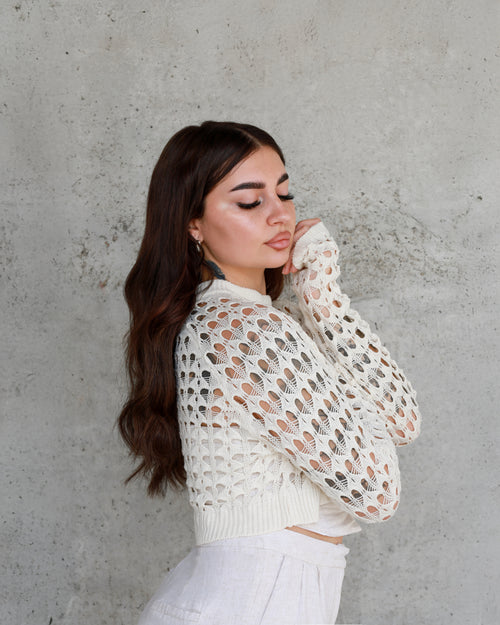
This type of hair comes from India and is also natural human hair. To the touch, these strands are thicker, stiffer, less flowing, and somewhat more porous. Indian hair usually comes in darker colors (from dark browns to black), is significantly cheaper than Slavic hair, and more widely available.
Slavic strands are natural
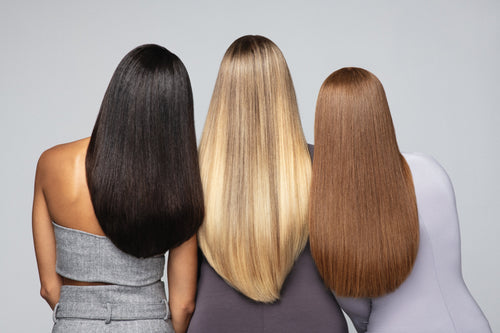
human hair originating from Eastern Europe. These are virgin hair, meaning they are undyed and have not undergone any chemical treatments. Their structure is generally delicate, soft, and silky, especially to the touch. Slavic hair colors are typically light tones ranging to dark blondes and light brown. This is an ideal, most natural option for Slavic beauty. This type of hair is highly sought after in the hairdressing market, which consequently affects its higher price and limited availability.
The last group consists of hair made from artificial fibers. This is the cheapest group of hair used for extension/volumizing treatments, due to the fact that it is not natural and therefore cannot be styled as naturally or freely as the previous two groups. Of course, increasingly better quality synthetic hair is appearing on the
market, but it can never aesthetically or in terms of natural movement, etc.,
match natural hair.
A) Slavic hair
Advantages:
• It is human hair of natural origin.
• Provides a natural look and high aesthetic appeal.
• Lightweight, comfortable to wear, and pleasant to the touch.
• Ensures natural movement and the possibility of free styling.
• Silky, without chemical treatments.
• Perfectly suited for long-term extension methods.
Disadvantages:
• Characterized by a high price.
• Often available in limited color ranges, mostly light tones.
• Requires appropriate care and maintenance.
B) Indian hair
Advantages:
• Also human hair of natural origin.
• Similarly provides a natural look and high aesthetic appeal.
• Also comfortable to wear and pleasant to the touch, although characterized by a slightly thicker structure.
• Also ensures natural movement and the possibility of free styling.
• Also perfectly suited for long-term extension methods.
• It is cheaper than Slavic hair and more widely available.
Disadvantages:
• Can be more porous, sometimes rougher and less silky to the touch.
• May have a slightly greater tendency to frizz.
• Usually found in darker shades.
C) Synthetic hair
Advantages:
• Lower price.
• Resistant to weather conditions, e.g., does not frizz in humidity.
Disadvantages:
• Offers a poorer aesthetic effect, characterized by a lack of naturalness.
• For non-heat-resistant hair, there is a very limited styling possibility.
• Significantly less durable.
• Tends to tangle, mat, and pill.
• More difficult to comb.
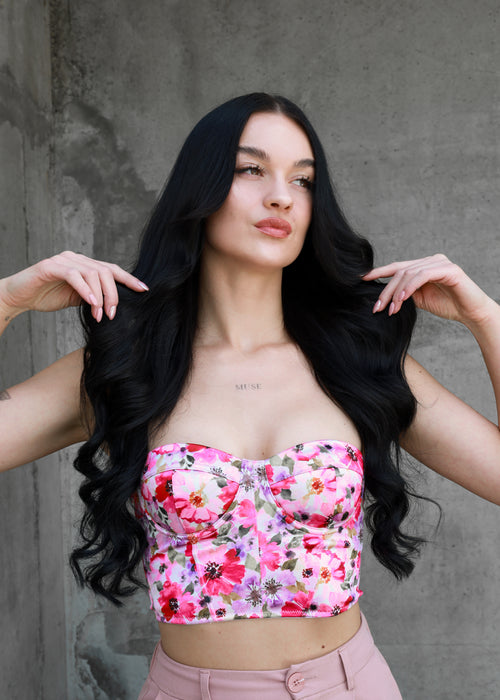
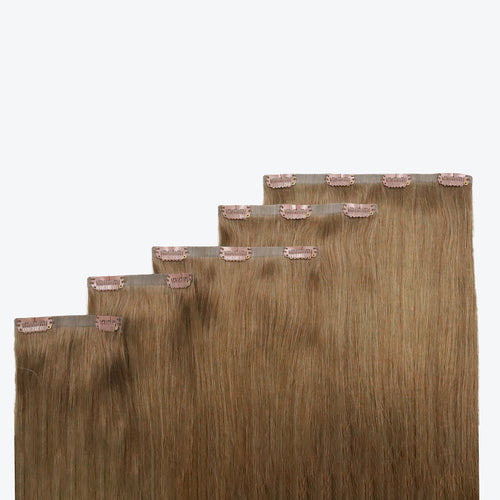
In our offer, you will primarily find Remy natural human hair, which stands out for its high quality. This hair is of various origins, both Slavic and Indian, but precisely selected with a specific cuticle alignment.
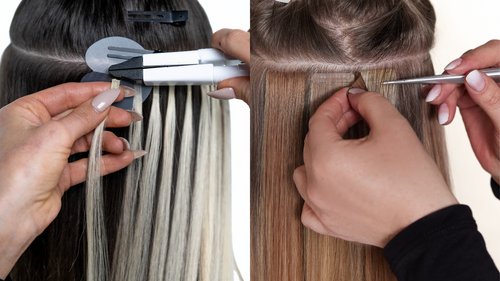
Remy hair is hair whose outer layer, consisting of cuticles, is aligned in one direction from root to tip. This gives the hair a healthy appearance, shine, maintains its naturalness and luster, and does not tangle, boasting longer durability. This hair is used, for example, in our standard hair wefts for the tape in method in widths of 3 or 4 cm, and in our wefts. We highly recommend them!
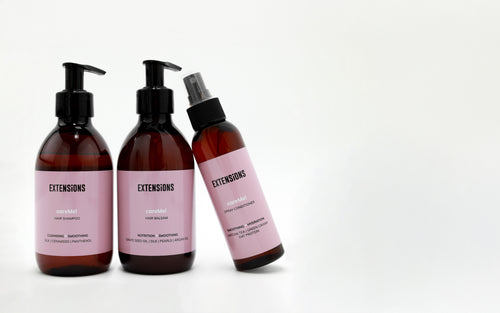
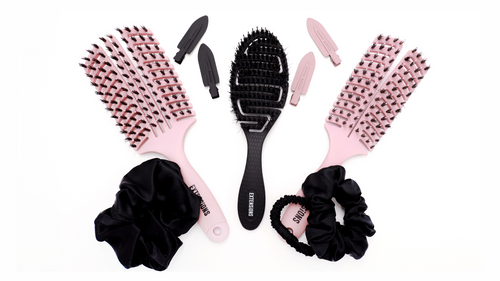
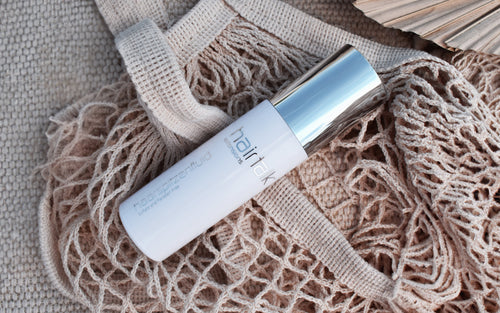
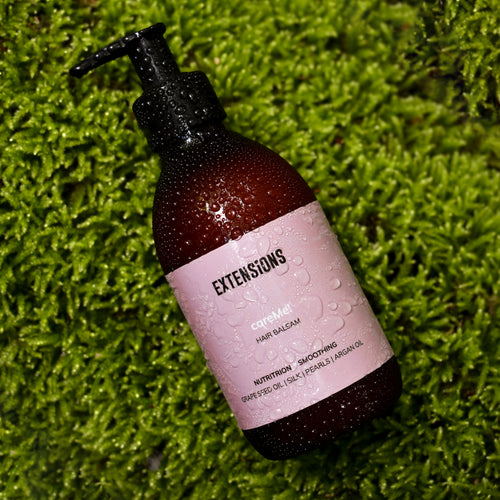
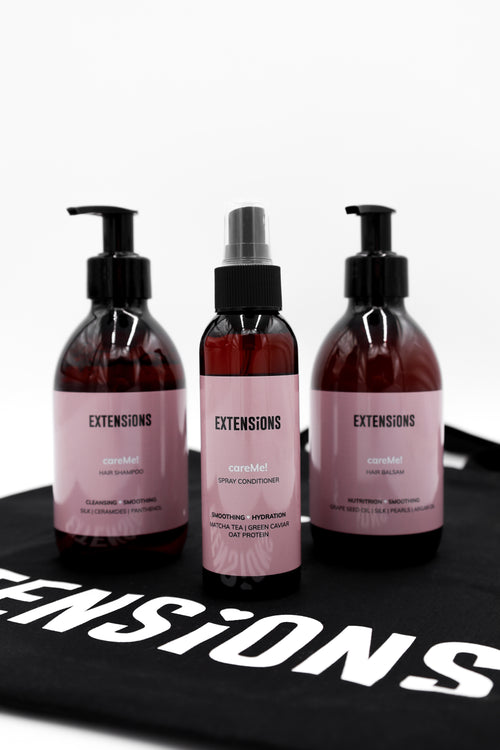
Check out our collection of hair care created for both natural hair and hair extensions. It is everything your hair needs!
CHECK IT OUT!
blog