


How to Care for Synthetic Wigs?
Synthetic wigs are becoming increasingly popular – they are more affordable than natural hair wigs, and thanks to modern fibers they look...
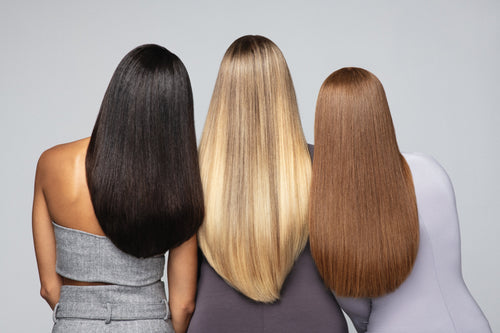
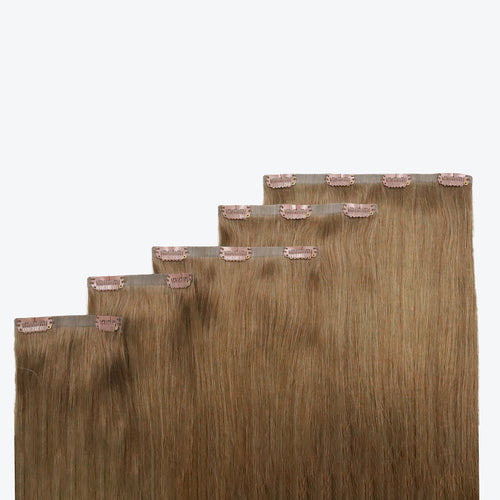
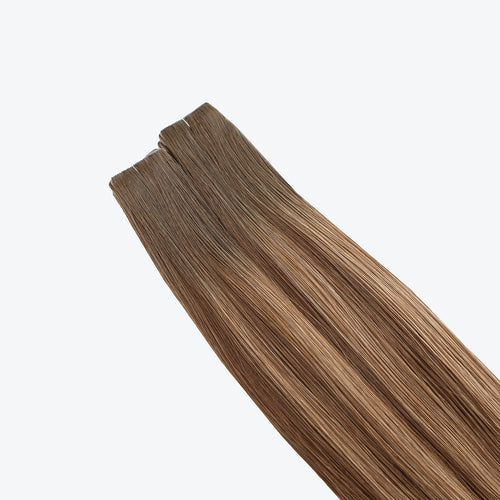
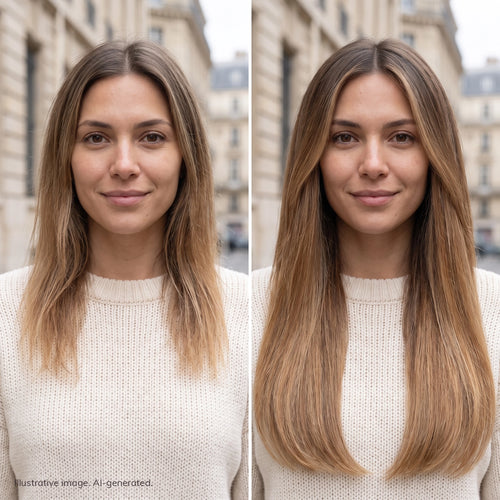
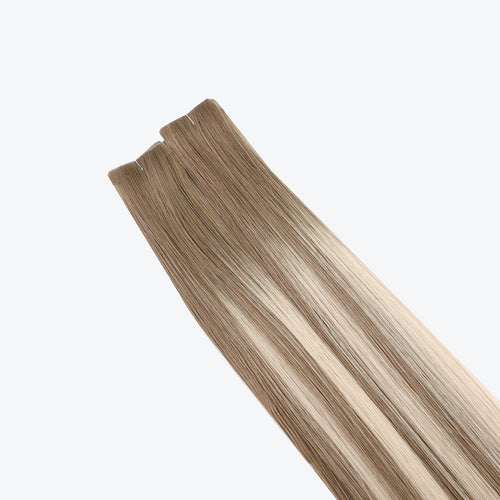
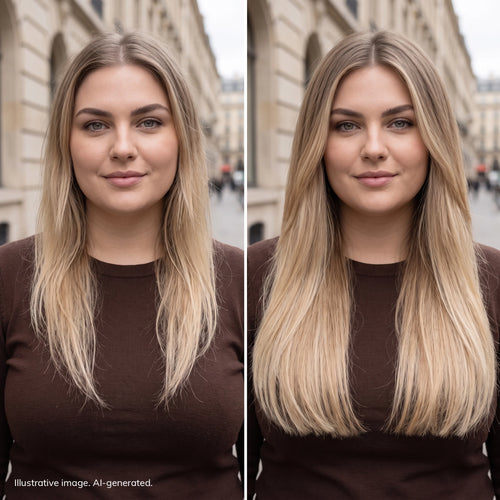
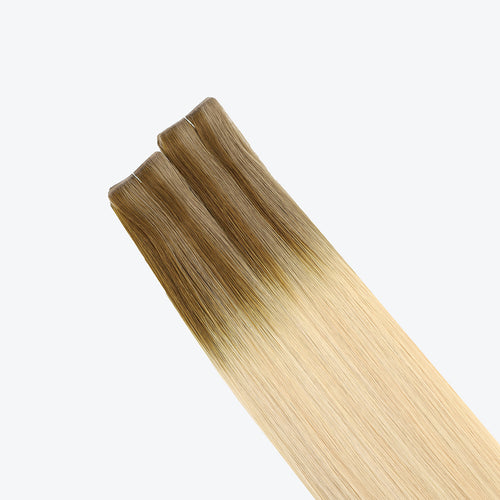
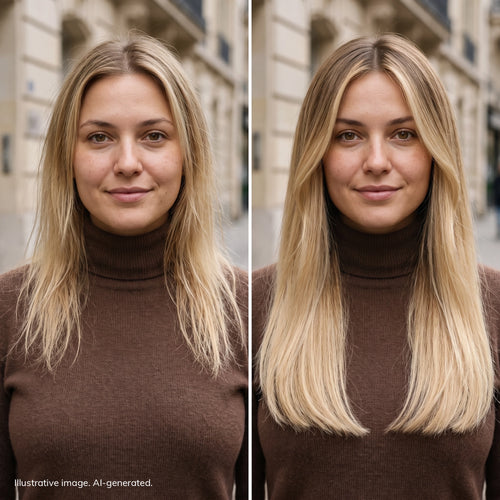
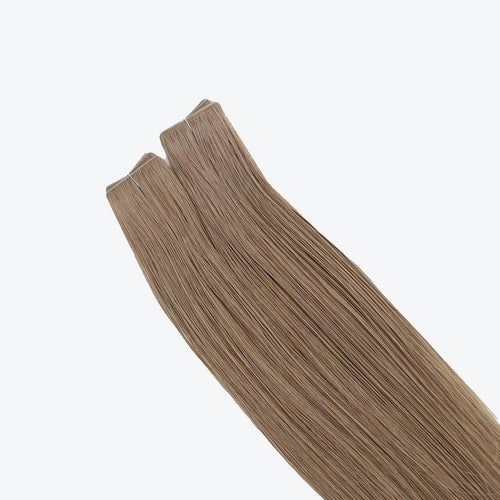
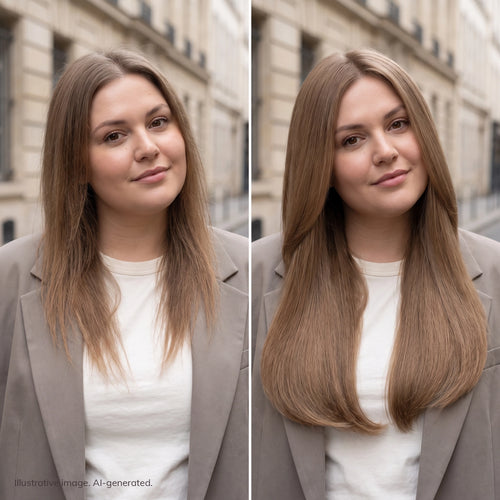
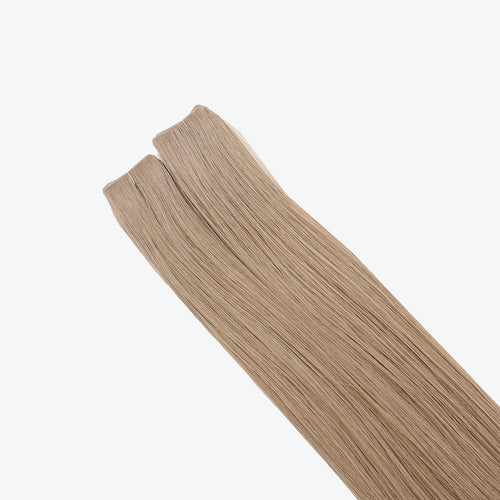
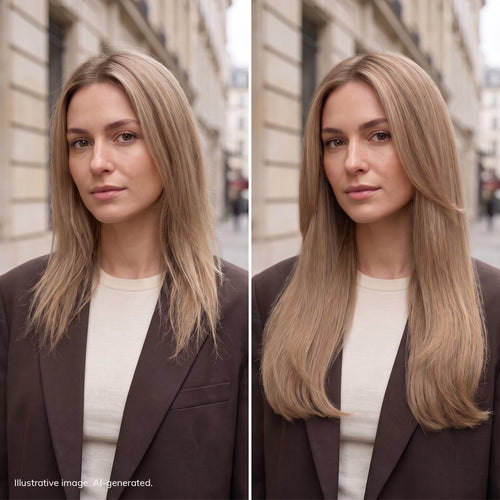
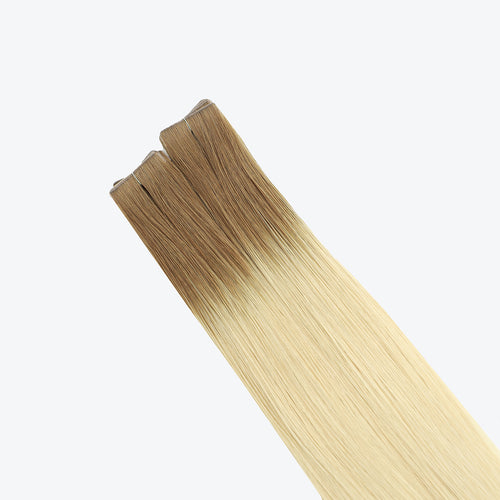
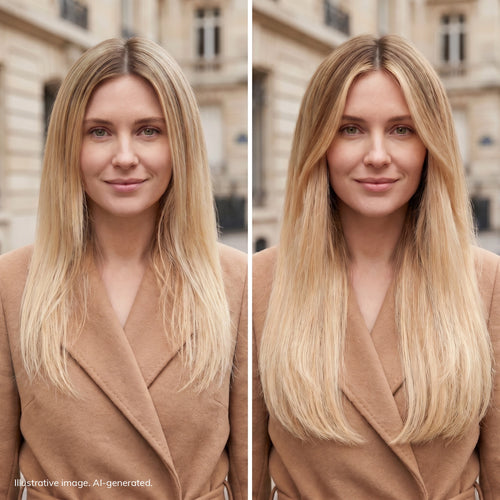
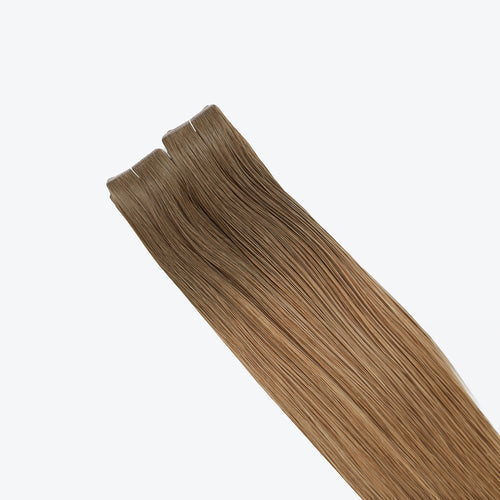
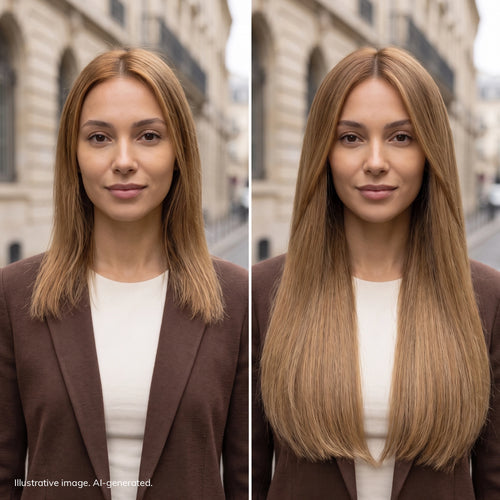
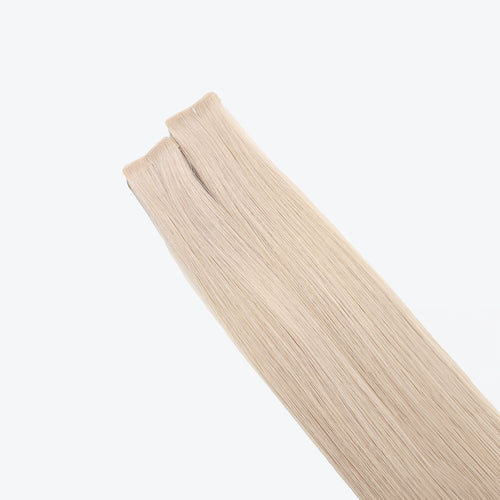
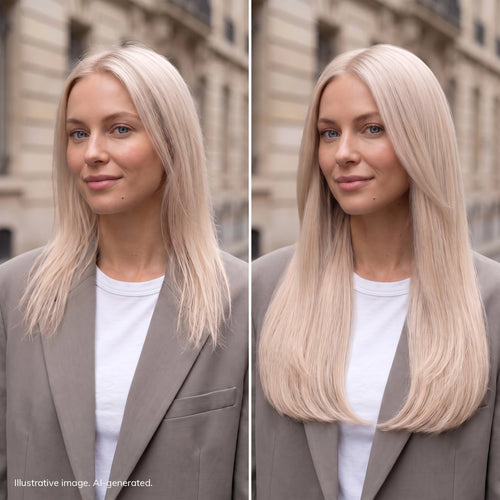
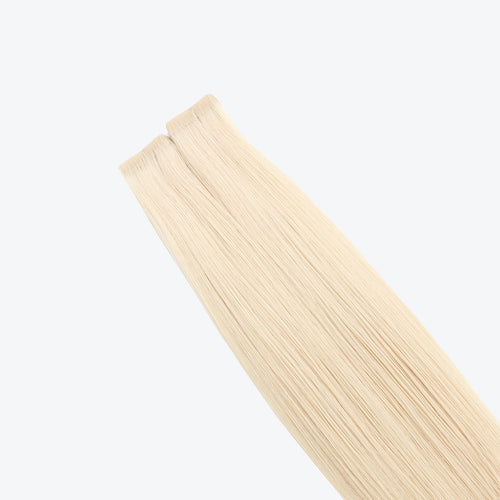
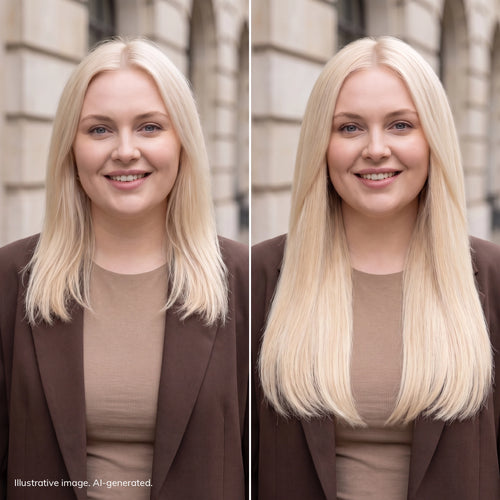
Hair extensions are strands of natural or synthetic hair attached using various available techniques. The goal is to add volume, enhance thickness, or extend hair length. Choosing the right color of the extensions is crucial. The color should blend seamlessly with your natural hair to create a unified and desired effect, such as subtle highlights, lowlights, or a consistent all-over tone.

Let’s start with synthetic hair, made from artificial fibers. Unfortunately, dyeing synthetic extensions is not possible. Why? These strands are usually made from kanekalon – a Japanese synthetic fiber. Hair dye won’t adhere to this material and will simply rinse off, leaving no color change. Unlike natural hair, synthetic fibers don’t have cuticles that absorb dye. Therefore, coloring synthetic strands with regular hair dye is ineffective.
However, the market offers a wide range of synthetic hair colors, allowing for an easier and more precise match to your natural shade.
Yes, natural human hair extensions can be dyed, but with some conditions. First, the hair should be of high quality. It’s highly recommended to have this done by a professional stylist – home dyeing is not advisable.
There are, however, important limitations to coloring natural extensions:
Why? Because natural extensions have already undergone intense processing – including de-pigmentation, cleaning, and root removal. As a result, these strands become "dead" and no longer have the regenerative abilities of natural growing hair. Hair cuticles may be partially or fully sealed, and once damaged, they cannot recover.
Dyeing with ammonia-based products is strongly discouraged, as these can further weaken or destroy the extensions.
Products like:
are available in many shades, so instead of coloring, consider choosing from the wide color range already offered.
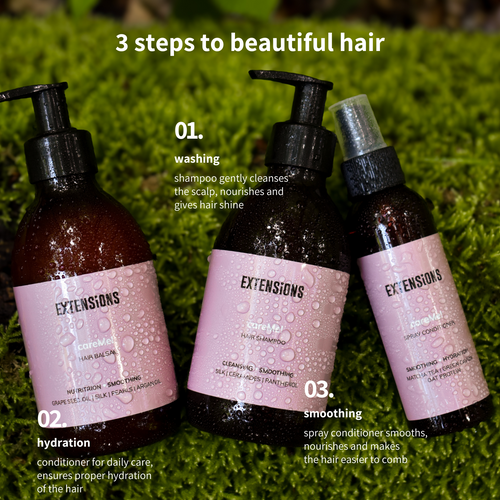
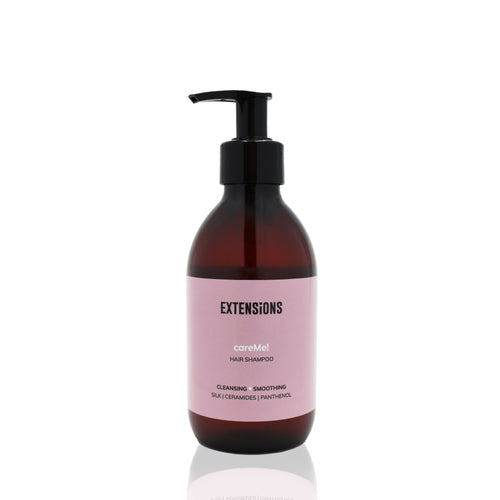
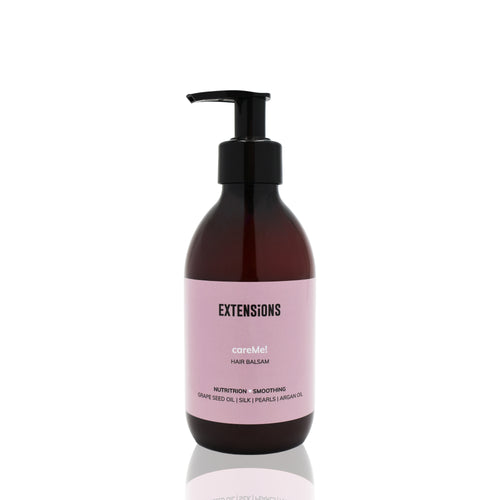
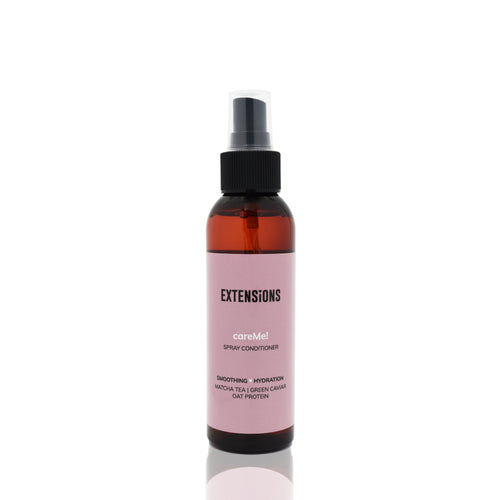
get to know our products
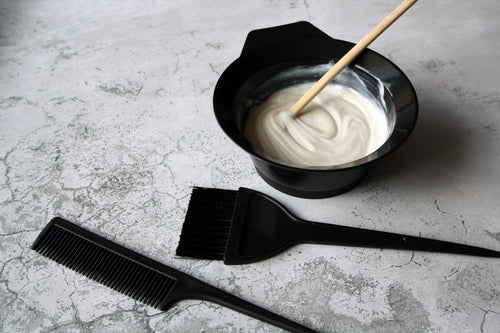
This is also not recommended. The rule against dyeing synthetic extensions applies to "natural" coloring methods too. While techniques like using lemon juice or chamomile might work on live hair, they are ineffective on extensions – whether synthetic or natural. These methods require live hair cuticles to be effective, which extensions no longer have.
Discover our products:
CHECK IT OUT!
blog